Buying a Used Bike
Used bikes offer enormous savings potential – if you know what to look for. Here's how to spot a good deal and avoid expensive mistakes.
The 5-point checklist
Check the frame
The frame is the heart of the bike. Watch for cracks, dents and paint chips – especially at welds, head tube and chainstay. For carbon: gently tap the frame. A dull sound instead of clear tone can indicate internal damage.
Check wear parts
Chain, cassette, brake pads and tires are wear parts. Ask about age and whether they were recently replaced. A worn chain (chain checker!) takes cassette and chainrings with it – that can quickly cost €200+.
Bearings and suspension
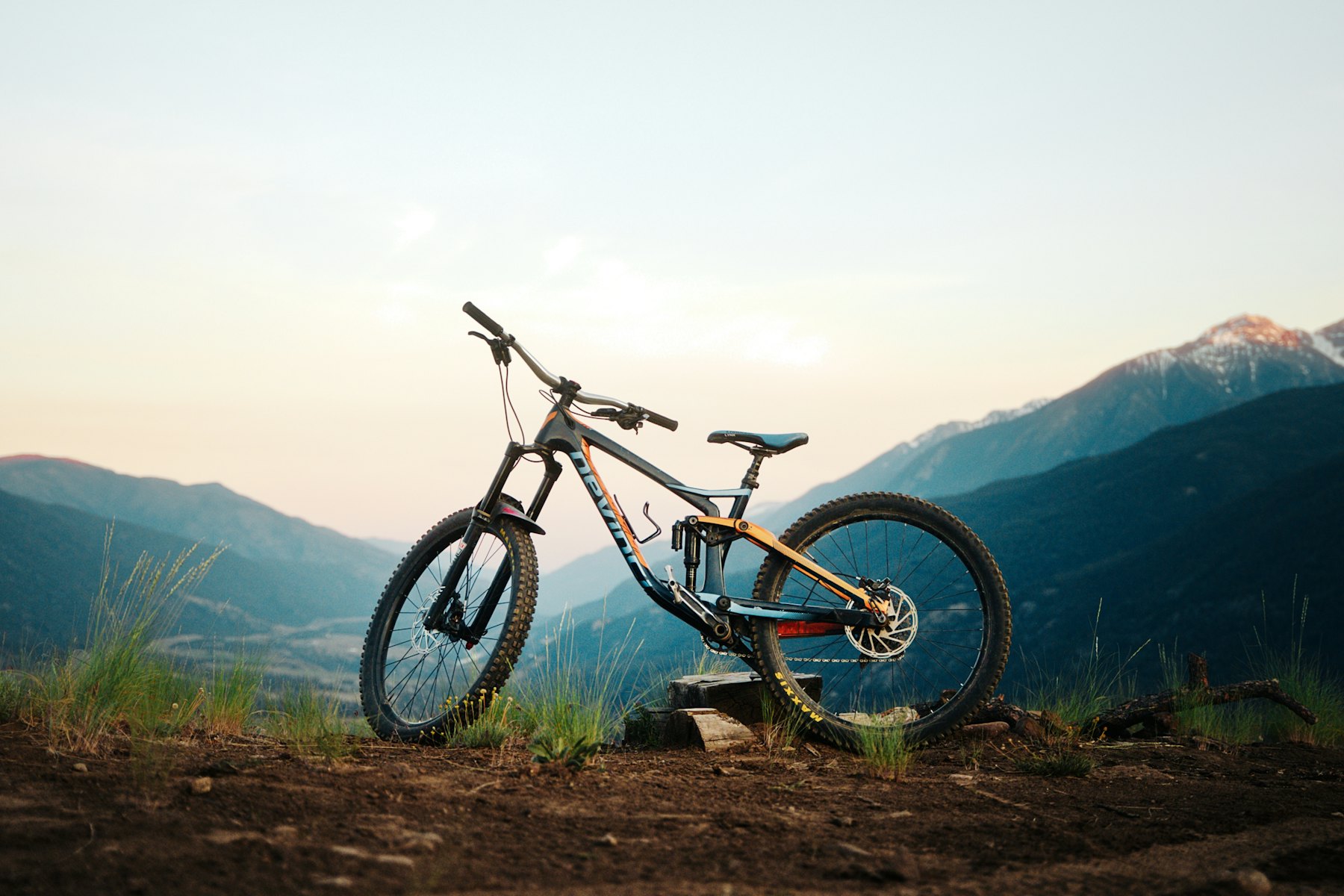
Turn the handlebar: is the headset rough or loose? Push the rear end: does the shock creak? Compress the fork: does it return smoothly? Bearing damage and suspension service can be expensive.
Wheels
Lift the bike and spin the wheels. They should run straight (no wobble) and spokes should be evenly tensioned. A slight wobble can be trued – a heavily bent wheel needs replacement.
Frame number & origin
Ask to see the frame number (usually on the bottom bracket shell). Check online if the bike is reported stolen (e.g. on bikeindex.org). Ask for receipt or invoice. For private sales: meet in a public place.
Rule of thumb: a 1-year-old bike loses about 25–30% of its new price, a 2-year-old about 40%, a 3-year-old about 50%. Bikes with service history are worth more. Always compare the current new price, not the original MSRP.
Where to buy used?
The safest is buying from a dealer – many offer checked used bikes with warranty. On Bikeley you can also find previous year models and showroom bikes directly from dealers – with the security of a professional contact.